On July 2, 20 participants of the 2026 Tsinghua-Envision China-Brazil Bioenergy International Summer Program visited the China-LAC Technology Transfer Center (CLTTC). The two sides held discussions on bilateral technology transfer and research cooperation, aiming to deepen technological collaboration and international talent exchanges in the green and low-carbon sectors. Prof. Liu Dehua, Director of the Tsinghua University China-Brazil Center for Climate Change and Energy Technology Innovation, and Zhang Fanjing, Director of the CLTTC Office, attended the meeting.
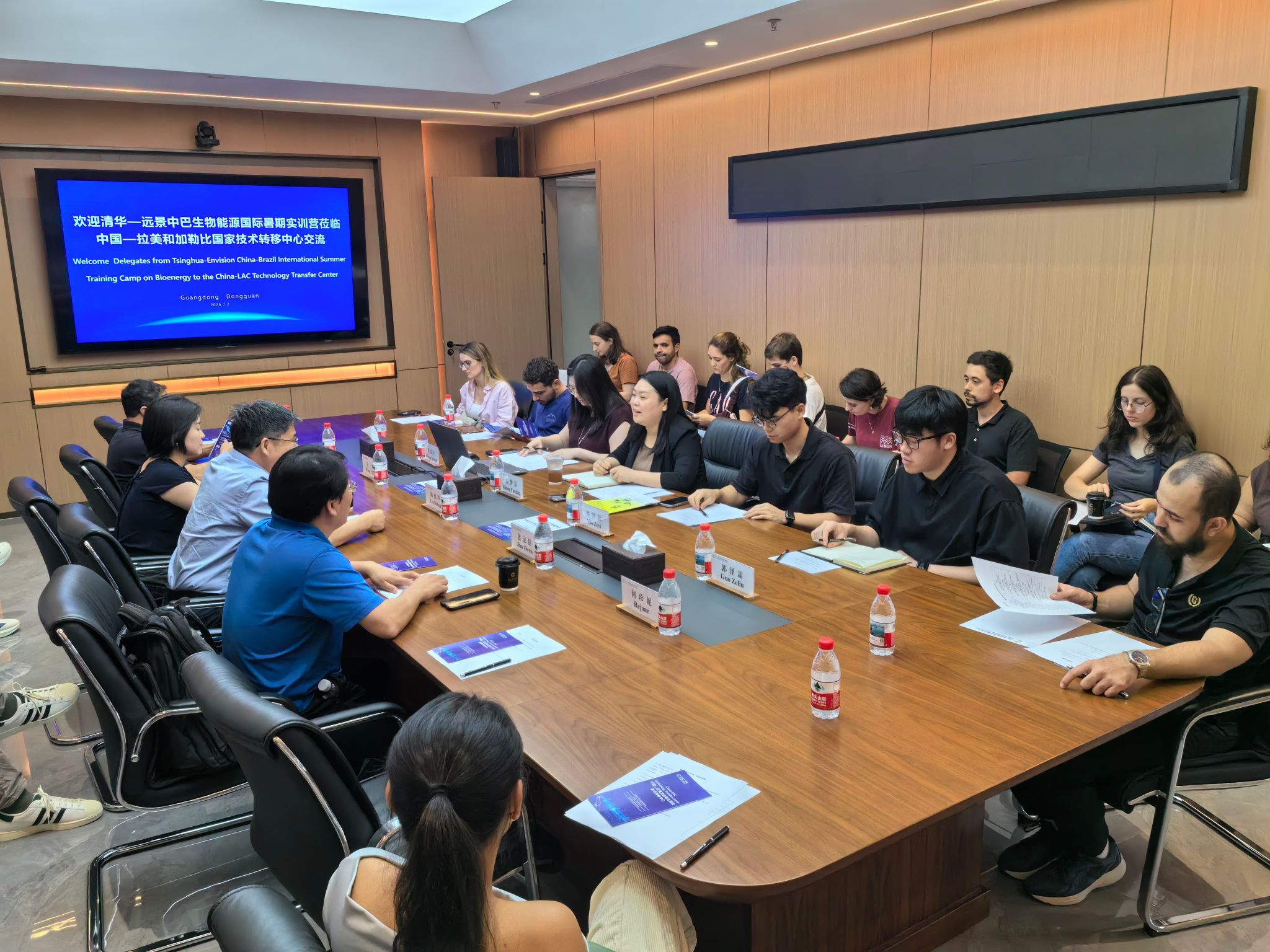
Zhang Fanjing noted that since its inception, the Center has been committed to building a bridge for scientific and technological cooperation with Latin America. Leveraging its full-chain integrated service system and overseas collaboration network, the Center has advanced practical cooperation in science, technology, industry, and people-to-people exchanges. He also noted that the Center maintains close cooperation with various sectors in Brazil and will continue to strengthen the alignment of green technologies between China and Brazil, while exploring cooperation opportunities in fields such as bioenergy. Prof. Liu Dehua highlighted the Center's strategic location at the forefront of the Guangdong-Hong Kong-Macao Greater Bay Area, which complements Brazil's abundant resources and offers significant potential for bilateral cooperation. He encouraged the Brazilian young researchers to actively exchange ideas and articulate their collaboration needs based on their respective research directions. During the discussion, Brazilian participants actively engaged in exchanges based on their research and industrial practices. The two sides held in-depth discussions on signing a Memorandum of Understanding and addressing technology transfer and commercialization needs, reaching preliminary consensus and further expanding new space for China-Brazil cooperation.
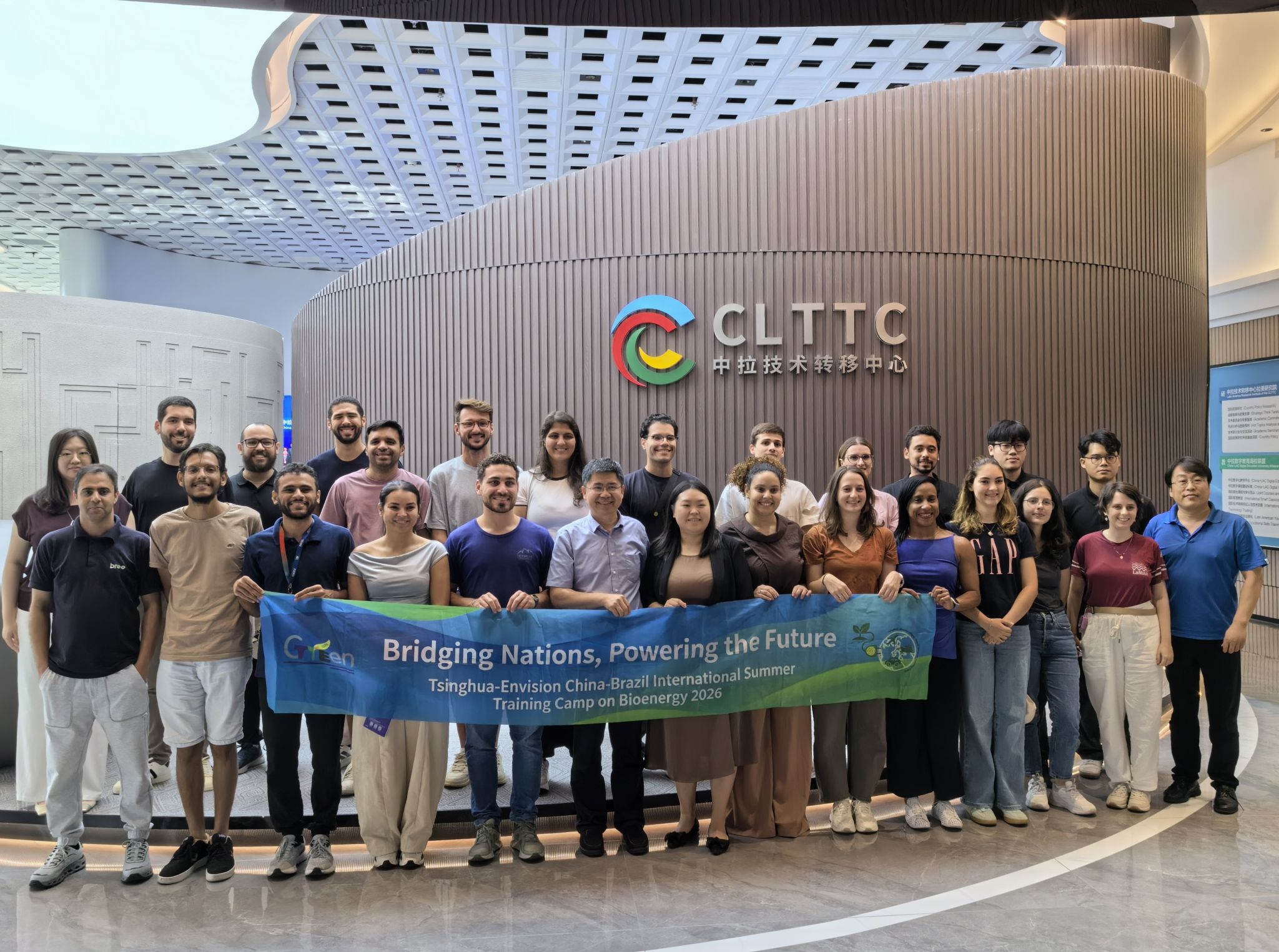
This exchange effectively served as a bridge for resource alignment in China-Brazil science and technology cooperation, representing a significant practice in unleashing the comprehensive capacity of the CLTTC as a national-level platform. Looking ahead, the CLTTC will continue to leverage platforms such as the China-LAC Digital Education University Alliance to connect with Tsinghua University, Brazilian researchers, and other China-LAC partners, deepening collaboration in areas such as bioenergy talent cultivation and advancing the development of a China-LAC community with a shared future.